Edition 02 – 13 April 2026
For years, attrition has been treated as a key benchmark for BPOs.
The yardstick companies looking to outsource would use to measure the operational health of a business. Even South Africa, where attrition rates fluctuate between 13–15% (considerably lower than the global standard) and the work ethic of the South African work-force is often lauded, is not immune.
Worldwide, attrition remains high in the sector, underlining that turnover is still a built-in operational challenge for customer operations businesses.
In a high-attrition environment, the real question isn’t who loses people, it’s who can deliver consistently when they do.
The Attrition Conundrum:
By nature contact centre roles are demanding. Customer-facing environments come with pressure and as the industry continues to burgeon globally, competition for experienced talent remains high.
For a long time, the focus has been on reducing attrition, better engagement, better incentives, better hiring.
However, none are sufficient on their own.
The more relevant question for decision-makers is:
What happens to performance when people leave?
High Attrition Indicators:
• Longer ramp times for new agents
• Inconsistent handling of customer queries
• Loss of product knowledge within teams
• Increased pressure on remaining staff
• Variability in quality and tone
Over time, these small inconsistencies compound and they are felt quickly if operations aren’t designed to absorb that change.
Resilient Operators Should Focus On:
Designing environments and systems that reduce attrition impact at scale.
Consistency improves when the focus shifts from the volume of hiring to the quality of the environment.
That means looking for campaign-fit hires, more structured onboarding, stronger coaching and QA support and better alignment between managers, operations and internal communication so that success is not reliant on individual tenure.
Strong culture and leadership consistency are not soft considerations. Belonging, recognition, manager behaviour and communication visibility directly affect trust, morale and intent to stay.
And in high-pressure environments, that stability translates directly into more consistent customer experiences.
Protecting the customer experience layer
Attrition often coincides with volume spikes, seasonal demand and shifting customer expectations exposing process gaps. But strong operations can account for this upfront through:
- Workforce planning that anticipates churn
- Leadership continuity within teams
- Clearly defined escalation paths
- Real-time performance visibility
Retention does matter:
An experienced, engaged agent will always outperform someone new.
But retention on its own, especially when it’s treated as the only solution, it creates a fragile system. One that performs well when conditions are stable but struggles when they’re not.
The more sustainable approach is creating environments that people want to stay in and systems that perform when they don’t.
A more realistic standard for the industry
Attrition isn’t going away.
As the GBS sector continues to expand globally, it will remain a defining characteristic of the industry.
The difference will come down to how it’s handled.
Because in high-attrition environments, the winners are not the businesses with zero churn, but the ones whose systems, leaders and culture absorb change without the customer ever feeling it.
“The Offshoring Edge” is a professional newsletter sharing BPO insights from one of South Africa’s leading outsourcing specialists, Rewardsco. For 30 years, Rewardsco has helped leading companies from various industries scale across sales, servicing and customer experience, enabling them to build higher-performing operations.
Connect with our Business Development team at newbusiness@rewardsco.co.za and let’s discuss how we can help your business go ‘beyond transactions’.
Latest Media
Insights

Insurance Data Is Different. Your BPO Partner Should Know That.

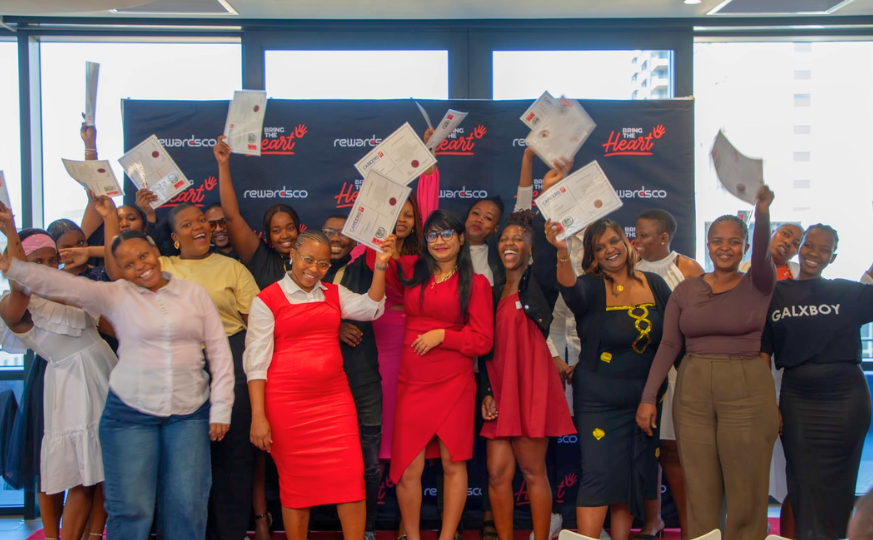
Rewardsco Wins National Award for Transforming the Contact Centre Career Journey
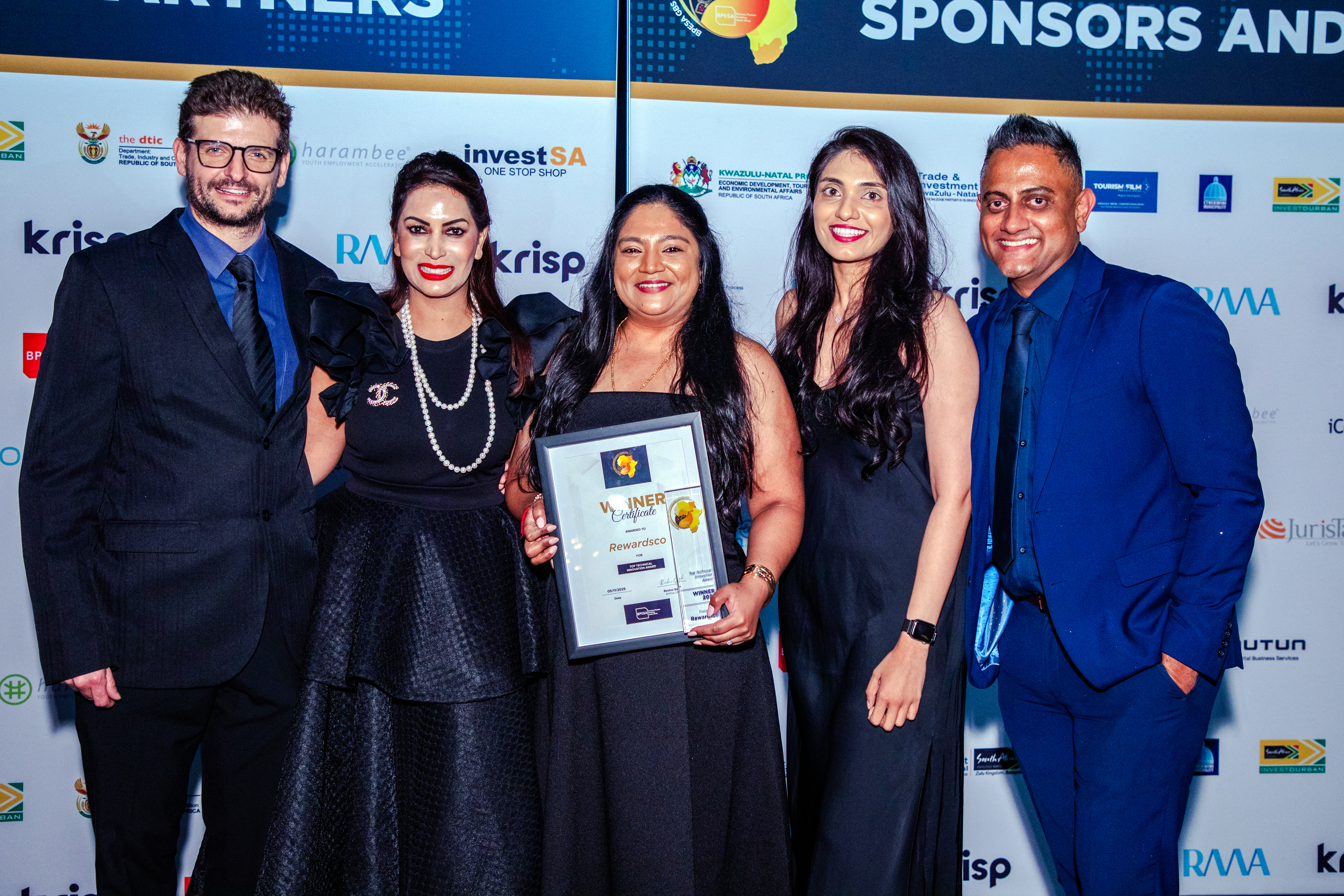
Rewardsco Wins National Award for AI-Powered Technical Innovation